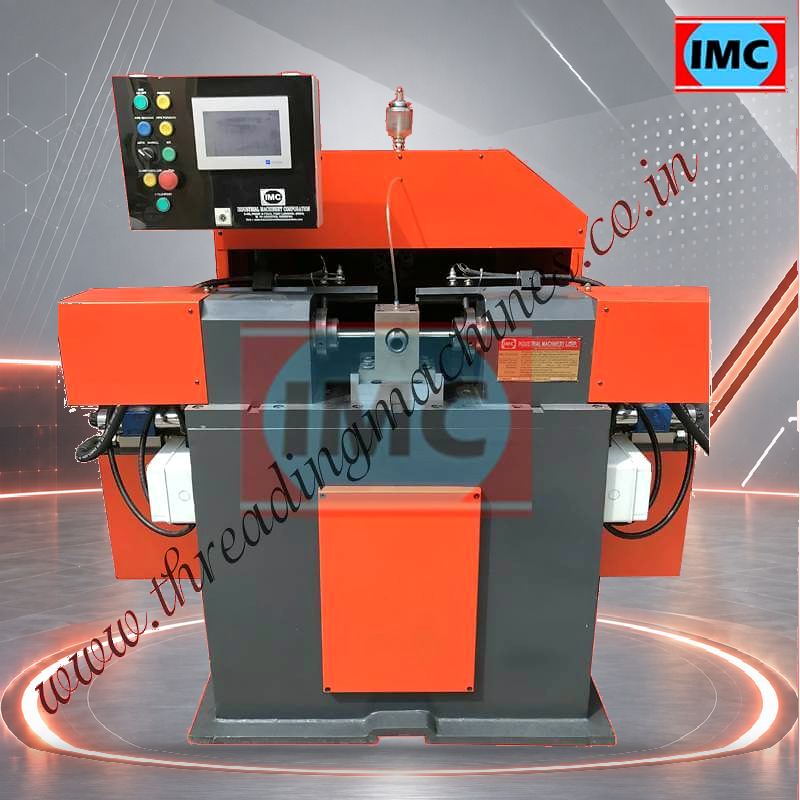
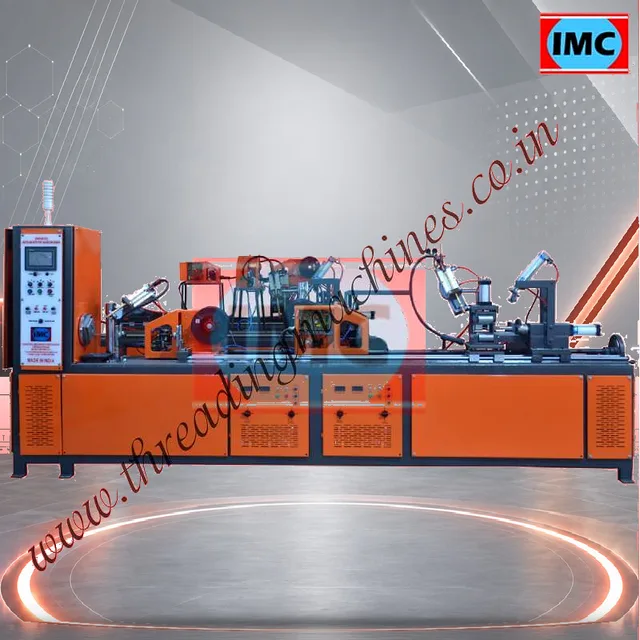
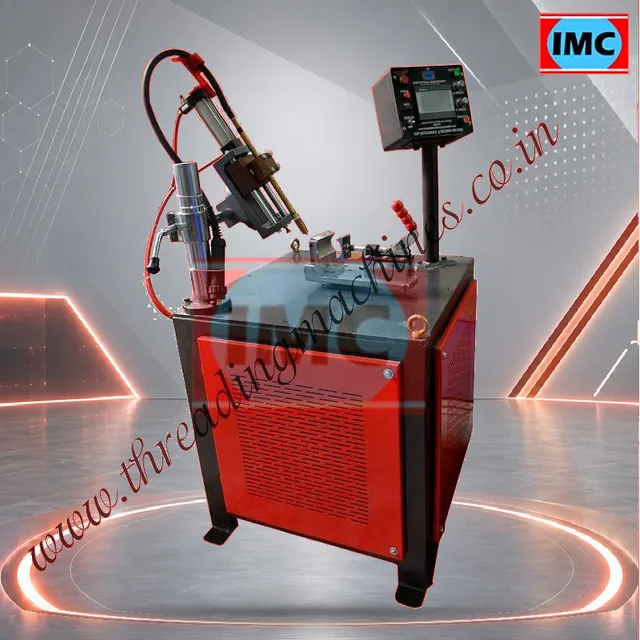
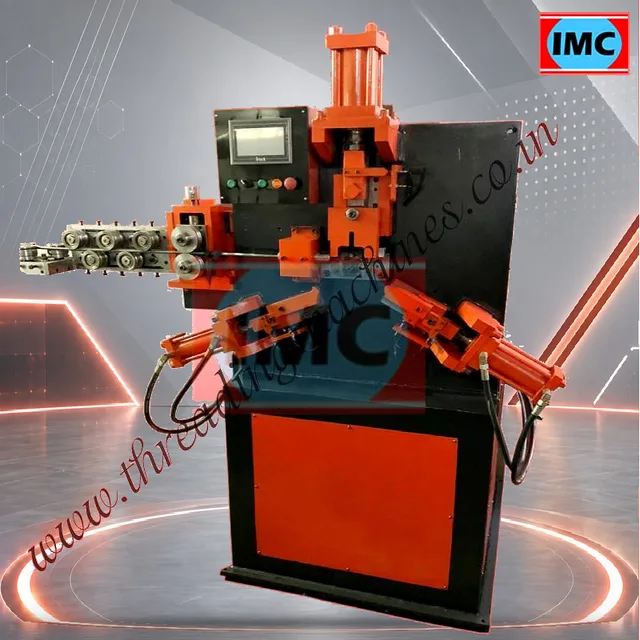
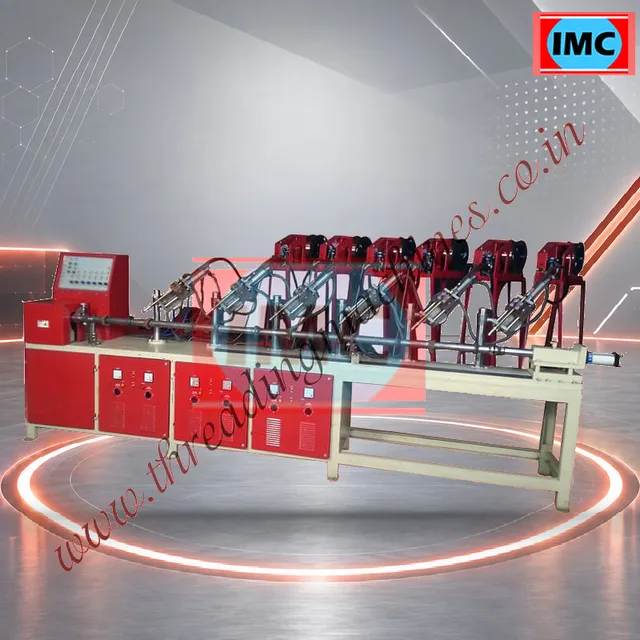
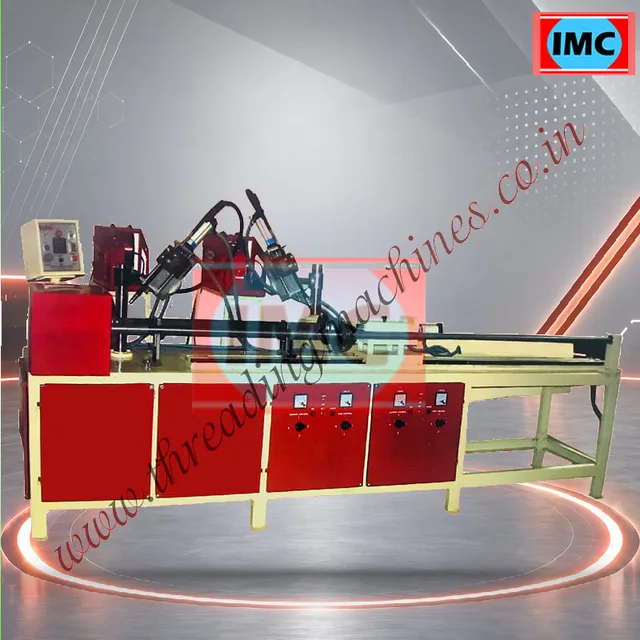
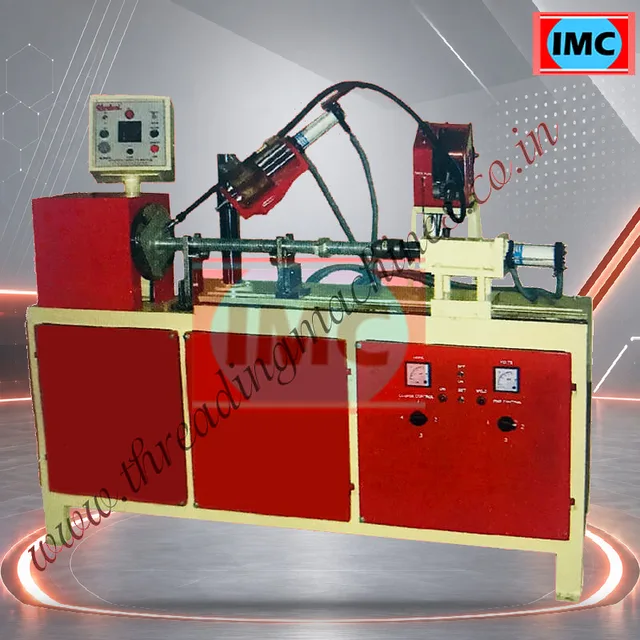
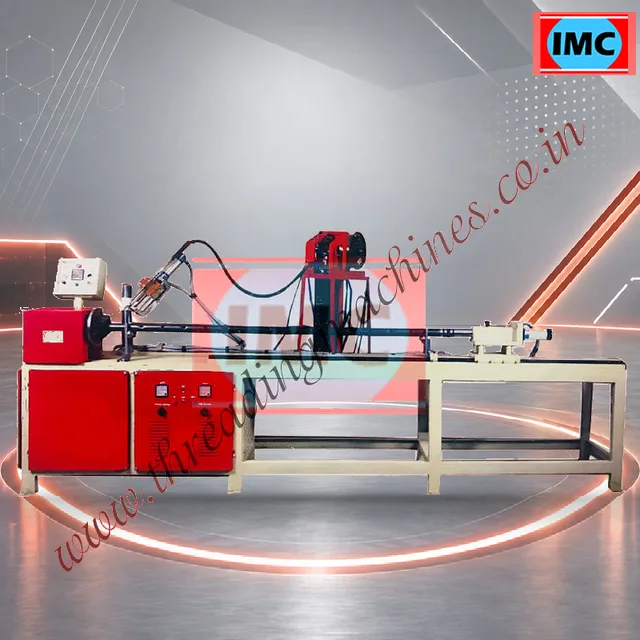
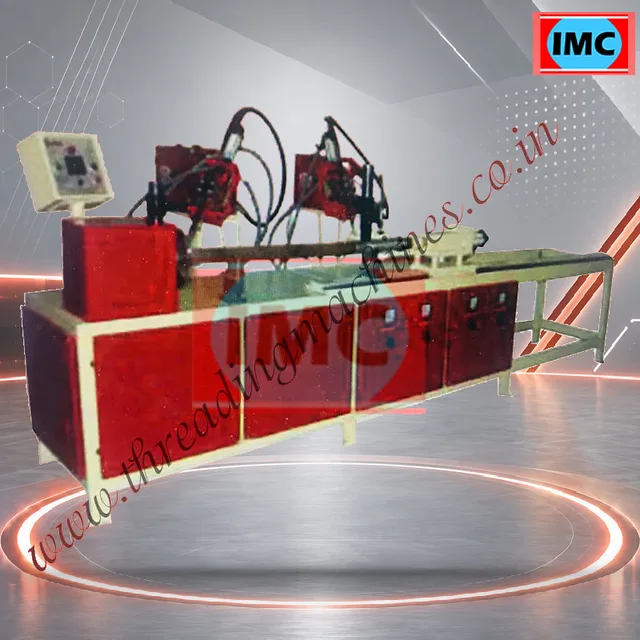
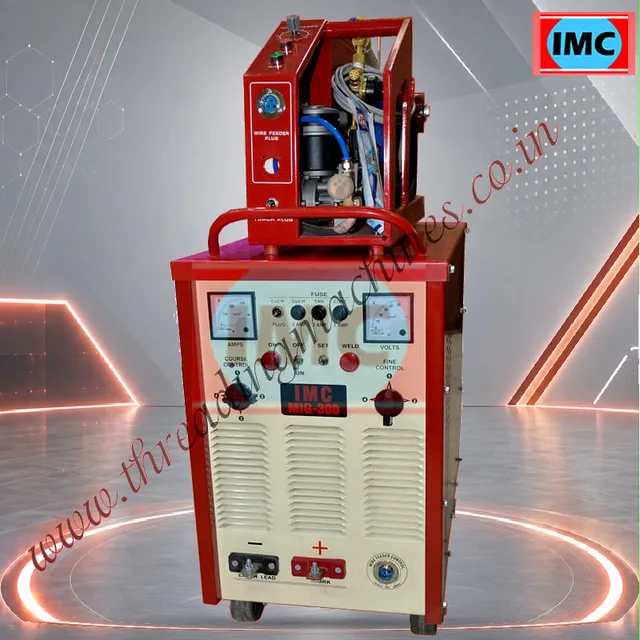
Review Scaffolding Pipe Hole Making Machine for your component and the required production operation.

Define the component to be produced

This equipment is selected to punch holes at the specified positions in suitable scaffolding tubes. A manufacturing enquiry needs the actual finished-part drawing and the condition of the starting material. List pipe diameter and wall, material, hole size, spacing and complete hole pattern. Where several components are planned, separate their quantities and dimensions so that a model suitable for one item is not assumed to cover the entire range.

Match the process and tooling

Ask IMC to review punch-and-die tooling, tube location, holding and support for the stock length for the component schedule. Clarify which tools are included for the first job and which are needed for a changeover. Identify the tube drawing and mating pin or assembly function; a hole diameter alone does not define the required pattern. Preparation, material handling and any subsequent operation should appear in the production plan alongside this process.

Establish acceptance before ordering

A representative component should be checked for hole dimensions and locations together with the condition around each punched hole. State the drawing requirements and how the result will be assessed. Use the published specifications to shortlist the model, then send the material and batch information with your chosen quotation options. Agree the supplied tooling, power requirements and support scope in the written offer.

Information to send with your enquiry

  • Pipe diameter and wall
  • Material
  • Hole size
  • Spacing and complete hole pattern

To review your application, send IMC your component drawing and requirements. You can also compare related machines and tooling in the product range.

VIEW SPECIFICATIONS

Tags

Tube Pipe Punching machine, Pipe Punching Machine, Scaffolding Pipe Punching Machine, Hole Making Machine, Tube Punching Machine manufacturers & suppliers, Scaffolding Prop Punching Machine, Inner Prop (Pipe) Punching Machine
CONFIGURE YOUR MACHINE

Available options

Select the required options and add this machine to your quotation.

Available Options


Your selected configuration is stored in the existing Quote List flow for review before enquiry.

TECHNICAL DATA

Technical Specifications

Model data and technical details supplied for this product. Final configuration can be confirmed against your application.

A Scaffolding Pipe Punching Machine, also known as a hole making machine, is a specialized piece of equipment used in the construction and scaffolding industry. This machine is designed to create holes or perforations in scaffolding pipes, which are an essential component of scaffolding systems. Here is more information about Scaffolding Pipe Punching Machines:

Key Features and Functions:

Hole Punching: The primary function of a Scaffolding Pipe Punching Machine is to punch holes in scaffolding pipes. These holes are necessary for connecting scaffolding components, such as couplers, fittings, and braces, to assemble a sturdy scaffolding structure.

Automation: Many modern machines are automated, allowing for precise and efficient hole punching in scaffolding pipes. Automation reduces labor requirements and increases productivity.

Versatility: These machines are designed to accommodate different pipe sizes and hole diameters, making them suitable for a wide range of scaffolding applications.

Precision: Scaffolding Pipe Punching Machines offer precise hole positioning and consistent hole sizes to ensure that scaffolding components fit securely and accurately.

User-Friendly Operation: While advanced in functionality, these machines are typically designed to be user-friendly, enabling operators to control and monitor the hole-punching process with ease.

Safety Features: Safety measures may be incorporated into the machine to protect operators during operation.

Applications:

Scaffolding Pipe Punching Machines are primarily used in the construction and scaffolding industry for the following applications:

Scaffolding Systems: The punched holes in scaffolding pipes allow for secure connections between various scaffolding components, ensuring the stability and safety of scaffolding structures used in construction and maintenance work.

Formwork: These machines are also used in formwork systems, allowing for the creation of precise holes in formwork components for concrete casting and shaping structural elements.

Construction Projects: Scaffolding systems are essential in a wide range of construction projects, including building construction, infrastructure development, and renovation work.

Benefits:

Efficiency: Scaffolding Pipe Punching Machines automate the hole-punching process, significantly increasing the efficiency of scaffolding assembly and disassembly.

Accuracy: Automated machines provide accurate and consistent hole placement and size, ensuring that scaffolding components fit securely and align correctly.

Labor Savings: Automation reduces the need for manual labor in the hole-punching process, leading to cost savings and faster project completion.

Safety: Precisely punched holes ensure the stability and safety of scaffolding structures, minimizing the risk of accidents.

In summary, Scaffolding Pipe Punching Machines, or hole making machines, are critical tools in the construction and scaffolding industry. They are designed to automate the hole-punching process in scaffolding pipes, enhancing efficiency, accuracy, and safety in scaffolding assembly and construction projects.

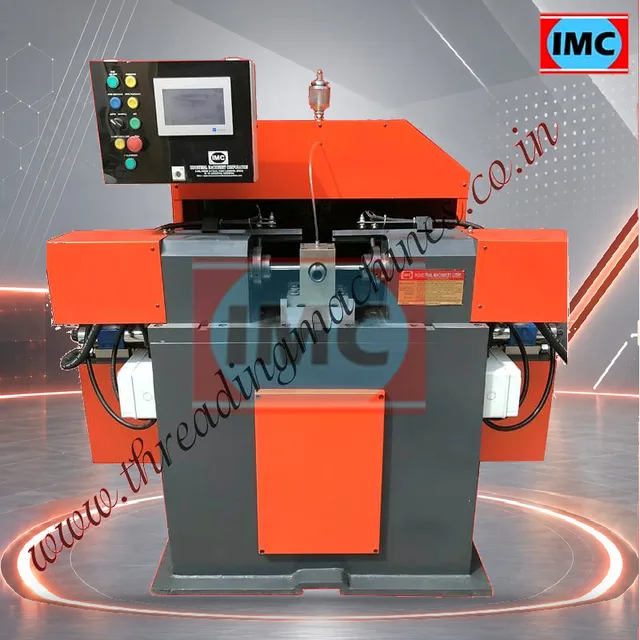
Frequently Asked Questions About Scaffolding Pipe Punching Machine (Hole Making Machine)

Review hole diameter, spacing and tube wall against the finished-component drawing before comparing models. The locating and holding fixture must match the component drawing. Share the hole pattern and discuss the required condition around each punched hole.

Include hole diameter, spacing and tube wall, your material specification and required output. Describe how the workpiece arrives at this operation and where it goes next, so tooling, handling and any accessories can be discussed as part of the proposed setup.

Use the options listed on this product page and add the required quantity to your Quote List. In the final enquiry, identify hole diameter, spacing and tube wall, destination and electrical supply. Any tooling, installation or spare-part requirement should be stated explicitly for inclusion in the offer.

RELATED PRODUCTS